
In the bustling world of construction, safeguarding the integrity of a project is paramount. Among the myriad challenges faced on-site, protection from environmental elements stands out as a significant concern. Heavy-duty covers and tarpaulins have emerged as indispensable tools in ensuring that construction sites remain secure from adverse weather conditions and other potential hazards.
The primary function of these robust covers is to shield materials, equipment, and partially completed structures from rain, wind, dust, and debris. Construction projects often involve substantial investments in both time and resources; thus, protecting these investments is crucial. Heavy-duty tarpaulins are crafted from durable materials such as polyethylene or canvas with reinforced grommets for secure fastening. This ensures they can withstand harsh weather while providing reliable coverage.
One of the key advantages of using heavy-duty covers on construction sites is their versatility. These coverings can be used to protect everything from raw materials like timber and steel to expensive machinery that could suffer damage if exposed to moisture or dust particles. Additionally, they serve as temporary roofs or walls for unfinished structures during unexpected weather changes. This flexibility not only helps maintain project timelines but also reduces potential financial losses due to material wastage or equipment malfunction.
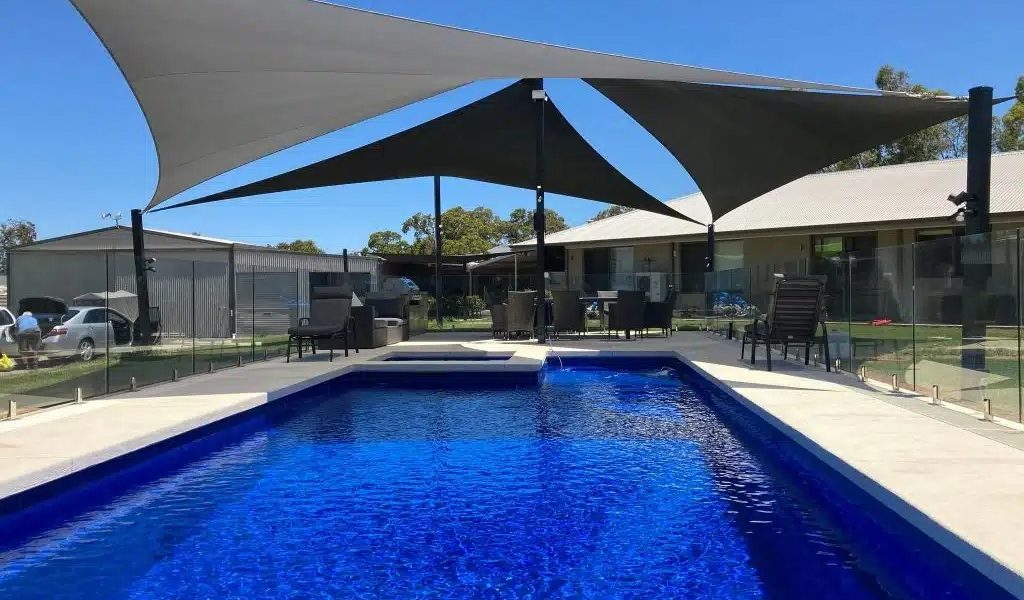
Moreover, heavy-duty https://shade4you.eu/en_GB/c/COVERS-AND-TARPAULINS/194 tarpaulins contribute significantly to worker safety on site. By covering hazardous areas or shielding workers from inclement weather conditions such as intense sun exposure or sudden downpours, these covers help create a safer working environment. They minimize accidents related to slippery surfaces caused by rainwater accumulation and provide shade that prevents heat-related illnesses during hot summer months.
Environmental considerations also play a role in the increasing reliance on heavy-duty covers within the construction industry. Many modern tarpaulins are designed with eco-friendly materials that are recyclable at the end of their lifecycle. This aligns with growing sustainability efforts across industries worldwide where reducing waste and promoting responsible resource use are prioritized.
Furthermore, investing in quality protective coverings enhances a company’s reputation by demonstrating commitment to high standards of site management and responsibility towards client assets. Clients appreciate contractors who take proactive measures to ensure their projects proceed without unnecessary interruptions caused by preventable damage.
In conclusion, heavy-duty covers and tarpaulins have become essential components in contemporary construction practices due to their ability to offer comprehensive protection against environmental elements while supporting operational efficiency onsite safety protocols—and even contributing positively toward ecological goals—these versatile tools enable smoother execution processes leading ultimately towards successful project completions within stipulated budgets timelines alike making them invaluable assets any contractor today should consider integrating into standard operating procedures whenever possible!