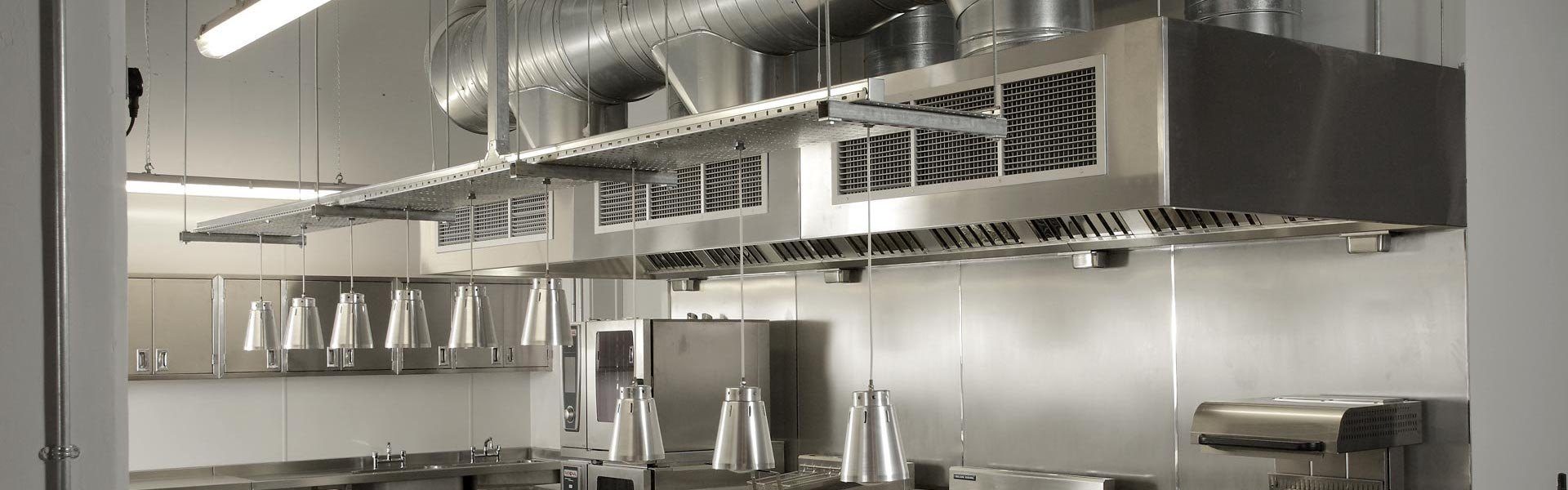

Designing a professional kitchen involves numerous considerations, and one of the most critical aspects is ventilation. Proper kitchen ventilation is essential not only for maintaining air quality but also for ensuring the safety and comfort of those working in the space. Selecting the right ventilation system can significantly impact the efficiency of your kitchen operations, energy consumption, and overall environment.
When choosing a professional kitchen ventilation system, it’s crucial to understand that there isn’t a one-size-fits-all solution. The ideal setup depends on various factors including the size of your kitchen, types of cooking equipment used, local building codes, and budget constraints. A well-designed system effectively removes heat, smoke, grease-laden vapors, and odors from the air while providing adequate airflow to keep temperatures stable.
The first step in selecting an appropriate professional kitchen ventilation options option is assessing your specific needs. Consider what type of cooking will be done—heavy-duty frying or grilling requires more robust systems compared to light baking or steaming. The volume of food being prepared also plays a significant role; high-volume kitchens demand more powerful solutions to maintain air quality.
Once you have a clear understanding of your requirements, explore different types of hood systems available on the market. Type I hoods are designed for use over appliances that produce grease and smoke such as fryers and grills. These hoods must include fire suppression features due to their application with high-heat equipment. Type II hoods are suitable for non-grease producing appliances like ovens or steamers; they primarily handle heat and moisture removal.
Another consideration is whether you need an exhaust-only system or one with both supply and exhaust capabilities (make-up air). Exhaust-only systems remove contaminated air but may create negative pressure if not balanced with make-up air units which introduce fresh air into space—essential for maintaining equilibrium within larger kitchens.
Energy efficiency should also influence your decision-making process when selecting a ventilation system. Energy-efficient models reduce operational costs by minimizing power usage without compromising performance levels—a crucial factor given rising energy prices globally.